
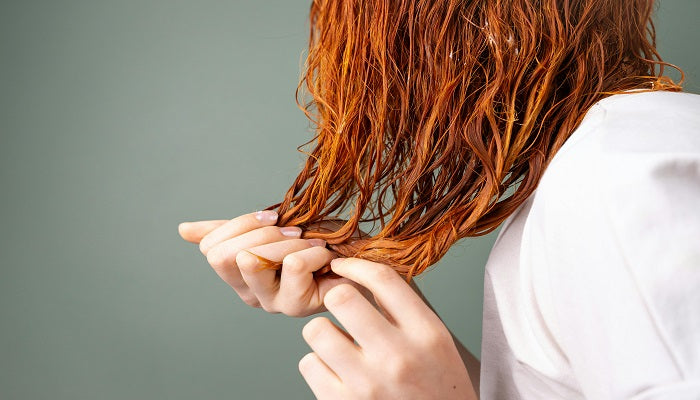
To keep your hair color looking vibrant and radiant, it’s not just about the products you use—water quality matters, too. Every time you wash your hair, the water it comes into contact with can affect how long your color lasts. For those who rely on well water at home, understanding how this unique water source impacts dyed hair is especially important. Well water often contains varying levels of minerals compared to municipal tap water, which can influence the look and longevity of your hair color.
Choosing the right hair dye and color-safe care products is essential for maintaining rich, glossy color, but the water you use daily plays a bigger role than many people realize. In hard water areas, minerals like calcium and magnesium can build up on the hair’s surface, making it harder for color to stay locked in. Over time, this mineral buildup can speed up fading and weaken the stability of dyed hair. Understanding the characteristics of hard water—and how it affects your hair—is a key step in preserving vibrant color and extending the life of your dye job.
How Do Minerals in Water Affect Your Hair?
Many people don’t realize that the minerals in the water they use every day can quietly change the way their hair looks and feels. Over time, minerals commonly found in hard water—such as calcium, magnesium, and copper—can cling to the surface of the hair shaft and build up layer by layer. This residue isn’t visible to the naked eye, but its effects are especially noticeable on color-treated hair.
One of the most common signs is color fading. Dyed hair tends to lose its vibrancy much faster, while blonde or lighter shades may take on yellow or gray tones. The overall color can look dull and flat, losing its original brightness and clarity. Highlights or ombré effects may fade within weeks of a salon visit, leaving hair looking washed out and uneven.
Mineral buildup doesn’t just affect color—it also changes the way hair feels and behaves. Hair can become rough, stiff, and harder to manage, with less softness and volume. Curls may lose their bounce and elasticity, falling flat more easily. Hair often looks dry and lackluster, struggling to reflect natural shine, even when using conditioners or styling products.
These minerals can also create problems during professional coloring services. When mineral deposits are already present on the hair, they can interfere with how hair dye or bleach works. Certain metals, such as copper, may chemically react with color formulas, altering how pigments develop. This makes it harder for colorists to control tone and depth, sometimes leading to results that don’t match what was intended.
From everyday hair care to salon treatments, the impact of water minerals is easy to overlook—but hard to ignore once you understand it. Recognizing how water quality affects your hair is an important step toward healthier strands and longer-lasting color.
What Minerals Are Commonly Found in Water?
Hard water contains a variety of naturally occurring minerals. While these minerals aren’t toxic to the human body, they can cause noticeable problems when they build up on the hair and scalp over time. Mineral residue can affect hair texture, color clarity, manageability, and even scalp comfort. Below are some of the most common minerals found in hard water that can negatively impact hair health.
Calcium
Calcium is one of the most common minerals in hard water and easily forms residue on the hair and scalp. As it builds up, hair may feel dry, weighed down, and more likely to fall flat, reducing natural volume. For curly or permed hair, calcium buildup can weaken elasticity, loosen curl patterns, and make styles harder to maintain.
On the scalp, excess calcium can disrupt the natural balance, leading to dryness, flaking, or a tight, uncomfortable feeling. When mineral residue accumulates around hair follicles, hair becomes more prone to breakage and may struggle to grow at its healthiest rate.
Magnesium and Aluminum
Magnesium and aluminum are widely present in hard water across many regions. These minerals tend to cling to the hair cuticle, causing hair color to appear dull, grayish, or muted. They also pull moisture from the hair, leaving strands dry, stiff, and less flexible. The result is hair that feels heavy and lacks movement—an issue that’s especially noticeable on color-treated hair.
Copper
Copper has a strong impact on hair color. On blonde, gray, or bleached hair, copper can oxidize and create unwanted green or cool-toned hues. On darker hair, it may deepen or alter the existing shade.
Copper can also interfere with professional coloring services. By speeding up the chemical reactions in hair dye, it makes it harder for colorists to control tone and depth accurately, increasing the risk of uneven results and potential hair damage.
Iron and Manganese
Iron and manganese readily oxidize in water and can attach to the hair. On lighter hair, they may cause orange, brassy, or reddish tones, while darker hair can appear overly dark with uneven red undertones. These minerals also worsen dryness, making hair frizzy, rough, and difficult to manage.
Lead
Lead is a potentially harmful heavy metal. Although it is tightly regulated in modern water systems, trace amounts may still be present due to aging pipes or plumbing materials. Long-term exposure to lead-contaminated water can make hair color appear darker, dull, and lifeless, while also negatively affecting overall hair health.

How Do Minerals Stick to Hair?
Minerals don’t just sit on the surface of your hair by accident—the way they cling to and build up on hair has a lot to do with basic chemistry and hair structure.
First, many of the minerals found in hard water, such as calcium, agnesium, and copper, carry a positive electrical charge. Hair, on the other hand, often develops a negative charge through everyday activities like washing, brushing, conditioning, and heat styling. Because opposite charges attract, these positively charged minerals are naturally drawn to the hair shaft, making them harder to rinse away completely.
Water temperature also plays an important role. When you wash or shower with warm or hot water, the outer layer of the hair—the cuticle—opens up. This helps remove dirt and allows conditioning ingredients to penetrate, but it also creates small gaps where trace minerals in the water can slip in. Once the hair is rinsed and the cuticles close again, those minerals can become trapped on the hair’s surface.
Over time, repeated washing causes these minerals to build up layer by layer rather than being fully removed. This gradual accumulation forms an invisible mineral film on the hair, which can block moisture and nutrients from penetrating the hair shaft. As a result, hair may still feel dry, rough, or look dull—even after using conditioners, treatments, or hair masks.
The problem is often worse for chemically or heat-damaged hair. Coloring, bleaching, and frequent heat styling can weaken the cuticle, causing it to stay partially open. This makes it even easier for minerals to attach and remain on the hair, slowing down recovery and making damaged hair harder to manage.

How Does Water Quality Affect Hair Color Fading?
Water quality plays a bigger role in color fading than many people realize. When color-treated hair is regularly exposed to hard water, the high levels of calcium, magnesium, and other dissolved minerals can take a serious toll on both hair health and color longevity.
Hard water minerals tend to coat the surface of the hair shaft, forming a thin, invisible film. This buildup prevents hair color from fully bonding and staying locked in, causing freshly dyed hair to fade faster. At the same time, these minerals can lift the hair cuticle, making color appear dull while increasing dryness and breakage. Blonde or highlighted hair may turn yellow or brassy, while darker shades often develop unwanted orange or red undertones.
Chlorine is another major contributor to color fading. Found in both hard and soft water, chlorine is commonly used as a disinfectant in municipal water systems. It has bleaching properties that break down hair dye and strip away natural pigments. For those with bleached or lightened hair, chlorine exposure—especially in pools—can be particularly damaging. When chlorine reacts with minerals like copper in hard water, it can oxidize and cause blonde hair to take on a green tint.
Mineral Buildup on Hair
One of the most noticeable effects of hard water is mineral residue left behind after washing. These deposits make hair feel heavy, greasy, and difficult to style. Over time, mineral buildup weakens the hair shaft, leading to dryness, dullness, breakage, and split ends.
Reduced Lather and Cleansing
Hard water also makes it harder for shampoo to lather properly. Minerals interfere with cleansing agents, preventing shampoo and conditioner from working as effectively. This can disrupt the hair’s pH balance and limit its ability to absorb moisture and nutrients, leaving hair feeling less clean and healthy than it should.
Faster Color Fading
For color-treated hair, hard water accelerates fading and contributes to uneven tone. Minerals dull the color’s vibrancy and clarity, causing dyed hair to look flat, washed out, or brassy much sooner than expected.
Scalp Irritation
Beyond color concerns, hard water can also irritate the scalp. Mineral residue can disrupt the scalp’s natural balance, leading to dryness, flaking, itchiness, and dandruff—especially for those with sensitive skin.

How Does Water Quality Accelerate Hair Color Fading?
Color-treated hair is especially sensitive to its environment, and the quality of the water you use every day plays a much bigger role in color longevity than many people realize. From mineral-heavy hard water to chemical disinfectants like chlorine, water quality can quietly but consistently undermine the stability of your hair color.
Mineral Buildup Weakens Color Longevity
When dyed hair is repeatedly washed with hard water rich in minerals such as calcium and magnesium, those dissolved minerals gradually settle onto the hair’s surface. Over time, they form an invisible mineral film that weighs hair down and prevents color pigments from fully bonding to the hair shaft. As a result, freshly applied color fades faster and loses its vibrancy.
Mineral deposits can also interfere with the hair cuticle’s ability to stay smooth and closed. When cuticles lift, light reflects unevenly, making hair color look dull and flat while increasing the risk of dryness, breakage, and split ends.
Changes in Tone and Color Appearance
Beyond speeding up fading, mineral buildup can alter the way hair color looks. Blonde, highlighted, or bleached hair is especially prone to developing yellow or orange undertones after prolonged exposure to hard water. Shades that were once bright and golden may gradually turn brassy or uneven. Darker hair can also lose clarity, appearing muted with unwanted red or orange tones.
Chlorine: A Hidden Threat to Hair Color
Minerals aren’t the only concern—chlorine is another major factor in color fading. Used widely as a disinfectant in water treatment systems, chlorine is present in both hard and soft water. Acting much like bleach, it breaks down hair dye molecules and strips away both artificial and natural pigments.
For those with bleached or light-colored hair, the risk is even greater. When chlorine reacts with certain minerals in hard water, such as copper, oxidation can occur—often leaving hair with green or brassy tones. This is why light hair may develop a greenish tint after frequent swimming.
Ongoing Mineral Buildup on Hair
One of the most noticeable effects of hard water is the gradual buildup of minerals over time. As residue accumulates, hair can feel heavy, greasy, and harder to style. The loss of softness and elasticity leaves strands more fragile, increasing breakage and split ends and making color-treated hair look even duller.
Reduced Cleansing and Product Performance
Hard water also makes it more difficult for shampoo to lather properly and can disrupt the natural pH balance of the hair and scalp. When cleansing isn’t effective, active ingredients in shampoos and conditioners can’t fully penetrate or perform as intended. This makes it harder to maintain healthy hair and long-lasting color after dyeing.
Scalp Irritation and Color Performance
Minerals in water can also irritate the scalp by throwing off its natural balance, leading to dryness, itchiness, and dandruff—especially for those with sensitive scalps. An unhealthy scalp environment doesn’t just affect comfort; it can also indirectly impact hair strength, growth, and how well color appears and lasts.

How to Minimize the Impact of Mineral-Rich Water on Your Hair?
While you can’t always control the quality of the water where you live, you can take steps to reduce the damage that minerals in water may cause to your hair and hair color. By adjusting your washing routine and everyday habits, it’s possible to better protect your hair in hard water environments.
Finish with a Cool Rinse
Ending your wash with cooler water may feel unfamiliar at first, but it can make a noticeable difference in hair health. Hot water causes hair strands to swell and opens the cuticle, allowing minerals and color pigments to escape more easily. Cooler water helps seal the cuticle, reducing mineral residue and locking in color after dyeing.
You don’t need to wash your hair entirely in cold water. A more practical approach is to shampoo and condition with warm water, then finish with a thorough rinse using slightly cooler water. This method balances effective cleansing with better color retention.
Wash Your Hair Less Often
How often you wash your hair also affects its strength and color longevity. After coloring, it’s best not to wash your hair right away. Freshly dyed hair needs time for the cuticles to fully close and for the pigment to set, so waiting 24–72 hours before your first wash is ideal.
Over time, daily washing can do more harm than good—especially in hard water areas. Frequent exposure to mineral-rich water repeatedly disrupts the hair and scalp’s natural pH balance, speeding up cuticle damage and color fading. Washing every other day (or less) is a gentler option, and using dry shampoo between washes can help manage oil without increasing water exposure.
It’s also important to avoid unnecessary rinsing. Prolonged or repeated rinsing increases friction and mineral contact. Keep water exposure brief while making sure shampoo and conditioner are fully rinsed out. Tilting your head slightly back and letting water flow smoothly down the hair helps reduce friction on the hair’s surface.
Upgrade to a Filtered Showerhead
If you live in a hard water area and want a more effective, long-term solution, upgrading to a filtered showerhead can make a significant difference. Unlike standard showerheads, filtered models use multi-stage filtration—such as activated carbon and other filtering materials—to reduce minerals, chlorine, and other impurities before the water reaches your hair.
By minimizing these substances at the source, a filtered showerhead helps reduce mineral buildup, preserve softness and shine, extend the life of hair color, and support a healthier scalp overall.

Our Recommendation: AquaNurture Filtered Showerhead
To reduce the effects of minerals and chlorine at the source, a filtered showerhead is one of the most effective long-term solutions.
The AquaNurture filtered showerhead uses a dual-stage filtration system with calcium sulfite and KDF-55 to neutralize chlorine and reduce heavy metals like copper and iron before water reaches your hair and scalp.
By minimizing mineral buildup, it helps support a healthier scalp with less dryness and irritation while leaving hair lighter, smoother, and easier to manage. For color-treated hair, cleaner water reduces pigment breakdown and oxidation, helping color stay vibrant, even-toned, and longer-lasting.
Filtered water is also gentler on the skin, reducing dryness, tightness, and irritation caused by chlorine and metals. This makes it especially beneficial for sensitive skin and scalp types, as well as children, pregnant individuals, or anyone with a compromised skin barrier.
More than a quick fix, the AquaNurture filtered showerhead is an investment in better daily water quality—helping protect hair and skin while making your care routine more consistent over time.
FAQ: How Does Water Quality Affect Colored Hair?
Q: Does hard water cause hair color to fade faster?
Yes. Minerals like calcium and magnesium in hard water can build up on the hair, making it harder for color pigments to stay locked in and causing color to fade more quickly.
Q: Can water change the tone of dyed hair?
It can. Mineral buildup may cause blonde or light-colored hair to turn brassy or yellow, while darker shades can develop unwanted red or orange undertones.
Q: Is chlorine bad for colored hair?
Yes. Chlorine acts like a mild bleach, breaking down both artificial and natural pigments and speeding up color fading.
Q: Why does colored hair feel dry or dull after washing?
Minerals and chlorine can lift the hair cuticle and block moisture, leaving hair dry, rough, and less shiny—even with conditioner.
Q: Can better water quality help preserve hair color?
Absolutely. Using filtered water reduces mineral and chlorine exposure, helping color last longer while keeping hair smoother and healthier.
Leave a comment
This site is protected by hCaptcha and the hCaptcha Privacy Policy and Terms of Service apply.