
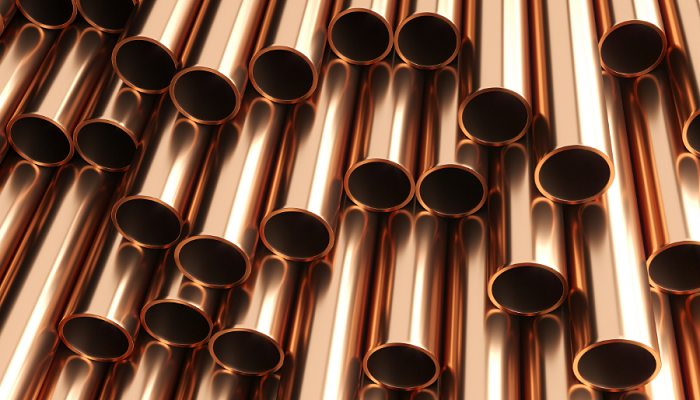
The use of lead in bathtubs, shower fixtures, and plumbing systems is not a modern phenomenon. In fact, its history can be traced back to ancient Rome, where early urban water supply systems extensively employed lead pipes. The very word “plumbing” comes from the Latin word plumbum, meaning lead.
Under the engineering conditions of the time, lead was almost the “perfect material”: it was soft and highly malleable, making it easy to shape into pipes and fittings; at the same time, it was corrosion-resistant and difficult to perforate, making it ideal for long-term water transport. For these reasons, lead was widely used in water systems for centuries. However, human awareness of the dangers of lead lagged far behind its widespread application.
From Common Material to Strict Regulation
Although records of lead poisoning date back thousands of years, it was not until 1978 that the United States officially recognized lead as a potent neurotoxin, particularly harmful to children and developing brains. As a result, the use of lead in residential paint was completely banned.
In the following decade, regulatory updates led to revisions of the Safe Drinking Water Act (SDWA), which explicitly required that all pipes, solders, and fluxes used in drinking water systems meet “lead-free” standards.
Before this mandate, solder used in drinking water systems could contain as much as 50% lead. The new regulations forced manufacturers to seek alternatives, and “lead-free brass” emerged as a solution in this context.
Lead-Free Brass Does Not Mean Completely Lead-Free
After the implementation of mandatory standards, manufacturers began to use silicon and copper alloys to replace formulas that previously relied on lead. However, lead was not entirely eliminated; it continues to exist at very low levels.
The reason is that lead has a unique property: it can effectively prevent the formation of tiny voids within the metal, reducing the risk of leaks in pipes or fittings. For this reason, even in “lead-free brass,” trace amounts of lead may still be present, making the term “lead-free” somewhat misleading without explanation.
Legally, “lead-free” does not mean zero lead. It refers to all surfaces in contact with water releasing lead into drinking water below a specified safety threshold. In 1986, this threshold was set at no more than 8%. According to the 2011 Reduction of Lead in Drinking Water Act, this limit was further reduced to 0.25%.
Why Is Lead-Free Certification So Important?
In the U.S. market, all plumbing and bathroom fixtures used in drinking water systems must comply with the NSF/ANSI 61 standard. This is a national health and safety standard designed to limit the release of chemical contaminants and impurities from products, components, and materials into drinking water.
The NSF/ANSI 61 standard is specifically used to enforce the stricter lead leaching limits introduced in 2011. Through third-party testing and certification, it ensures that fixtures do not release excessive amounts of lead under real-world usage conditions.
Therefore, if consumers want to minimize the risk of lead exposure in their home water systems, it is crucial to choose trusted brands and lead-free brass products that have received authoritative certification. While some low-cost products on various platforms may theoretically meet the standards, the risk of non-compliance is significantly higher due to inconsistent regulation and quality control.
Although these standards greatly reduce the risk, they do not eliminate it entirely. Regulations and certifications have substantially lowered lead levels in drinking water, but as long as lead exists in plumbing systems, pipe materials, or end-use fixtures, consumers still need to take proactive measures to mitigate potential lead exposure in their homes.
Common Sources of Lead Exposure in the Home
If you live in an older home or have vintage bathtubs and shower fixtures, you may be exposed to lead as the porcelain enamel chips or cracks over time. If you rent or cannot afford the upfront costs of removing and replacing bathroom fixtures, consider companies specializing in fixture refinishing services, which cost only a fraction of replacing the fixtures.
1. Old Pipes and Plumbing Systems
In many older homes, the following lead-containing components may still exist:
- Lead service lines
- Lead-based solder, especially in pipes installed before 1986
- Vintage brass or alloy fittings
When water sits in these pipes for extended periods, or if the water is slightly acidic, lead can leach from metal surfaces into household water. As long as lead remains in plumbing—especially in unreplaced old materials—corrosion control measures are necessary to minimize lead in drinking water.
2. Faucets, Shower Fixtures, and End-Use Devices
Even if the main supply lines in a home have been replaced, end-use fixtures can still be significant sources of lead, including faucets, showerheads, valves, fittings, and angle stops. These components are often made of brass, zinc alloys, or recycled metals, and lower-cost or non-certified products are especially prone to lead leaching.
3. Lead-Based Paint and Dust in Older Homes
Homes built before 1978 commonly contain lead-based paint. Over time, paint may chip, crack, or deteriorate, producing lead-contaminated dust. This dust can settle on floors, furniture, and children’s toys, and children are particularly vulnerable through hand-to-mouth contact, making it one of the most widely recognized high-risk sources of lead exposure in kids.
4. Household Drinking Water Devices
Beyond pipes and faucets, certain household devices can also contribute to lead exposure, such as:
- Older water heaters with metal internal components
- Non-certified water filtration systems
- Drinking fountains or coffee machines with metal water pathways
- Under heating conditions, these devices may further increase the risk of lead leaching.
5. Why Is Lead Exposure Often Overlooked?
Lead is colorless, tasteless, and invisible, making long-term, low-level exposure difficult to detect. Symptoms often appear only after prolonged exposure, which is why lead remains a hidden but serious risk in the home, even as regulations become stricter.

Lead in Shower Fixtures
So far, we have mainly discussed bathroom and plumbing fixtures that must comply with strict drinking water safety standards such as NSF/ANSI 61. But this raises an important question: Are all household water-related devices subject to regulation? The answer may surprise you—shower fixtures are generally not directly regulated by federal or state lead content laws, because, by legal definition, shower water is not considered drinking water.
From a legal standpoint, this distinction may seem reasonable. However, in real-life household scenarios, the situation is far less “theoretical.” Whether it’s children’s incidental exposure during baths, inhalation of water mist, or long-term skin contact, shower water comes into contact with the human body more frequently and for longer periods than many strictly regulated water uses.
Therefore, regardless of legal requirements, the risk of lead exposure from shower fixtures should not be ignored. A scientifically validated, high-quality shower filter can help reduce exposure to lead and other heavy metals, while also lowering the presence of chlorine in the bathroom. Chlorine is commonly used in municipal water systems for disinfection, meaning that roughly 80% of U.S. households have chlorinated tap water.
While chlorine plays an important role in ensuring drinking water safety, its presence in bath or shower water can have noticeable effects on skin and hair. Hot water accelerates chlorine volatilization and chemical activity, making it more likely to react with the natural oils on skin and hair. Long-term exposure to chlorinated shower water can compromise the skin’s natural barrier, leading to dryness, tightness, itching, and potentially aggravating sensitivity or eczema.
Recommended Solution — Filtered Shower Head
When choosing a filtered shower head, consumers are often misled by exaggerated filter levels or complex schematic diagrams. In reality, filtration performance does not depend on how advanced it looks or how many layers of media it has. What truly matters is whether the filter media is suitable for the shower environment. Many commercial products still rely on activated carbon as the core material. However, studies show that in hot water above approximately 80°F, activated carbon’s structural stability and adsorption capacity significantly decline, and it may even release previously adsorbed contaminants.
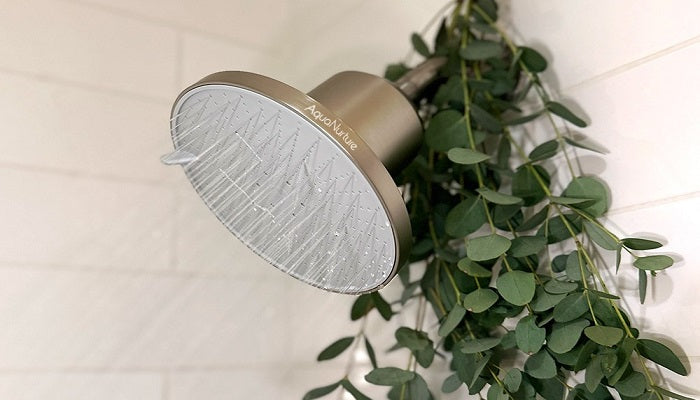
Based on this reality, we recommend using the AquaNurture Filtered Shower Head. From the design stage, it was specifically optimized for warm to hot water use. Its scientifically validated media combination—KDF-55 and Calcium Sulfite—effectively addresses common shower water contaminants such as lead and other heavy metals, free chlorine, and certain bacteria, all without relying on activated carbon.
Beyond material selection, the quantity and ratio of filter media are equally critical. AquaNurture Replacement Filter ANF7-1 is packed with sufficient media, maintaining a 1:1 ratio of Calcium Sulfite to KDF-55. This provides a larger reaction surface area and extended contact time, ensuring that redox reactions occur continuously and consistently. This design not only enhances purification efficiency but also extends the cartridge’s lifespan, all without compromising water pressure or flow performance.
FAQ About Copper Content in Shower
1. What are the main sources of lead in household water?
Lead in household water primarily comes from old pipes, lead-containing faucets, valves, and other metal end-use fixtures. Homes built before 1986 are especially likely to have pipes or solder with higher lead content. Brass alloys inside shower fixtures, angle stops, or faucets may also contain small amounts of lead.
2. Can lead in shower water pose health risks?
Although shower water is usually not consumed, skin contact, inhalation of water mist, or occasional accidental ingestion can result in low-level, long-term exposure. Children, pregnant women, and individuals with sensitive skin should be particularly cautious, as lead can affect neurological development and cognitive function.
3. Does shower water actually contain lead?
It is possible. Lead does not typically come from municipal water treatment, but is more often found in older or low-quality shower fixtures, metal fittings, and connections. When water flows through these lead-containing metals, especially in warm or hot water conditions, trace amounts of lead may leach into the water.
4. If shower water is not for drinking, why should I still be concerned about lead?
Even though shower water is not meant for direct consumption, it contacts large areas of skin and hair for extended periods and can be inhaled through water mist. For children, pregnant women, or individuals with sensitive skin, long-term low-level exposure remains a concern.
5. Do all shower fixtures contain lead?
No. Modern high-quality shower fixtures typically use lead-free brass or certified materials, with lead release levels below regulatory thresholds (e.g., NSF/ANSI 61 standards). However, low-cost or older fixtures may still contain lead, particularly in metal showerheads, valves, and internal connectors.
6. Which filter media is best suited for shower use?
For warm to hot water applications, scientifically validated media such as KDF-55 and Calcium Sulfite provide more stable and reliable performance in removing lead and other heavy metals, free chlorine, and inhibiting bacterial growth, making them ideal for use in shower filtration systems.

Leave a comment
This site is protected by hCaptcha and the hCaptcha Privacy Policy and Terms of Service apply.