
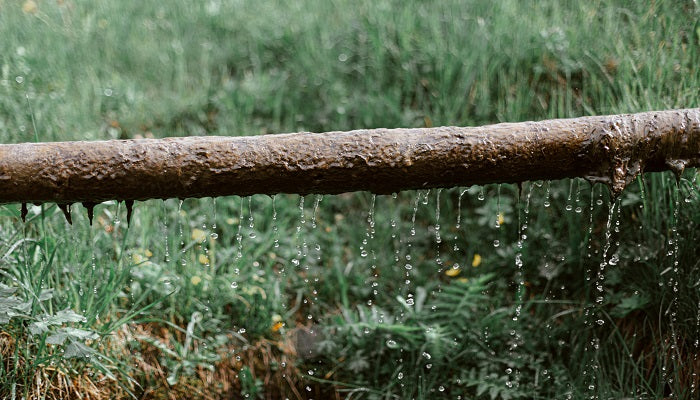
When you shower in the morning, warm water cascades from the showerhead, and you might only care about whether the water pressure is strong enough or the temperature is comfortable. But have you ever wondered—how long has this water been sitting in your home's pipes before it reaches your skin?
Most people assume their tap water is “safe,” yet overlook a crucial fact: before water flows into your home, it travels through an extensive network of pipes. And these pipes aren't always as clean as you might imagine.
Rust, mineral deposits, bacteria, and microorganisms accumulated in old pipes may be making contact with your skin and hair—unnoticed by you—with every flow of water. This happens daily. These hidden issues are often the underlying causes of dry skin, frizzy hair, and even scalp discomfort. How to reduce or even avoid them? This is precisely why more and more people are turning their attention to filtered showerheads.

1. Mineral Deposits
Water naturally contains minerals like calcium and magnesium. Especially in hard water areas, these minerals gradually build up on the inner walls of pipes over time, forming what we commonly call scale (calcium carbonate deposits). This process is slow and invisible, yet its impact on plumbing systems is significant.
As layers of sediment build up, the effective inner diameter of pipes steadily shrinks. Narrower pipes increase flow resistance, leading to noticeably weaker shower pressure and inconsistent water flow. Long-term mineral buildup also strains pipes, water heaters, and other water-using appliances, accelerating wear and tear while increasing failure rates and maintenance costs. When deposits become extremely thick, pipes may become nearly blocked—or even rupture under severe conditions—resulting in costly repairs or replacements.
As scale layers thicken, pipe inner walls become increasingly rough. This rough surface not only facilitates further scale buildup but also adsorbs other impurities and contaminants, worsening the internal pipe environment and creating a vicious cycle.
2. Rust and Corrosion
If your home still relies on galvanized steel or cast iron pipes, corrosion may be quietly causing more damage than you think. These pipes tend to deteriorate from the inside out. While the zinc coating on galvanized steel is designed to protect against acidic water, it gradually wears away over time. Once that protective layer is gone, the underlying metal is left exposed—making corrosion inevitable. As a result, pipe walls slowly thin and weaken.
2.1 Rust Particles in Your Water
As corrosion progresses, rust flakes can break loose and flow directly into your water supply. This often leads to discolored water with a brown or reddish tint and a noticeable metallic taste. Beyond being unpleasant, using rust-contaminated water for bathing or laundry can impact overall cleanliness and daily comfort.
2.2 Shorter Lifespan for Pipes and Appliances
Corroded pipes are structurally weaker, increasing the risk of leaks, cracks, or even sudden ruptures. At the same time, loose rust particles can clog faucets, showerheads, and water heaters—putting added strain on household appliances and shortening their lifespan.
2.3 Potential Health and Lifestyle Concerns
Although occasional exposure to rusty water is generally considered low risk, long-term use can lead to persistent taste issues and mild irritation to the skin and hair, especially during daily showers.
Over time, corrosion in metal pipes not only degrades water quality but can also result in costly repairs.

3. Biofilm
The dark, damp environment inside household pipes creates the perfect conditions for microorganisms to thrive. Over time, bacteria, fungi, and other microbes begin to attach to pipe walls, forming a thin, slimy layer known as biofilm. This invisible buildup acts like a hidden ecosystem inside your plumbing—quietly growing, long-lasting, and easy to overlook.
3.1 How Biofilm Affects Water Quality and Taste
Microorganisms living within biofilm release byproducts that can alter the smell and taste of your water. Even when water looks clear, it may still carry musty odors or an off-putting flavor that makes everyday use less enjoyable.
3.2 Potential Health Concerns
Most bacteria found in residential plumbing are generally harmless. However, biofilm can also harbor opportunistic pathogens, which may pose risks for people with weakened immune systems. Once established, these microbes can continuously shed into the water flowing through your pipes.
3.3 Why Biofilm Is Hard to Eliminate
Once biofilm attaches to pipe surfaces, it becomes difficult to remove through normal flushing or standard disinfection methods. Over time, it can act as a foundation for other plumbing issues, contributing to mineral buildup and accelerating corrosion.
Although you can’t see it, biofilm is a persistent reality in many water systems. Its presence is a reminder that plumbing alone doesn’t guarantee clean water—and that effective filtration plays an important role in protecting water quality for everyday use.
4. Sediment and Debris
Household plumbing isn’t a perfectly sealed or spotless system. During construction, repairs, or simply as pipes age, a surprising amount of debris can find its way inside—everything from solder residue and plastic shavings to joint fillers, metal fragments, and even sand, soil, or silt. These tiny particles may be invisible to the eye, but they can clog pipes, valves, and faucets while also providing a surface for biofilm and mineral scale to build up, further degrading water quality.
Even newly installed pipes aren’t immune. Manufacturing and installation often leave behind fine debris, which is why proper flushing before regular use is so important. In older homes, sediment problems tend to be more severe. Heavier, gravel-like particles can settle in low spots or bends in the plumbing system, forming what are essentially “sediment traps.” Over time, this buildup can travel into water heaters, accelerating wear on both pipes and appliances.
4.1 Why Sediment Matters
Although you may never see it, sediment buildup can quietly reduce water pressure, strain plumbing components, and drive up maintenance costs. It can also affect water taste and overall user experience—especially during everyday activities like showering or washing dishes.
In short, sediment and debris may be out of sight, but they’re far from harmless. Left unchecked, they clog systems, shorten the lifespan of household plumbing and appliances, and create favorable conditions for microbial growth. That’s why addressing these hidden contaminants is an important step toward maintaining consistent water quality throughout your home.
5.How it affects water quality?
5.1 Making water appear unclean
Rust, sediment, and debris can cause water to appear cloudy, yellowish, or gritty. Even if the water still meets basic drinking standards, these changes significantly impact bathing and daily water usage experiences.
5.2 Altering taste and odor
Microbial metabolites in biofilms, rust from metal corrosion, and lingering chemical residues in pipes can impart metallic, musty, or pungent odors. These changes are often the first detectable signs of water quality issues.
5.3 Increasing exposure to contaminants and microbes
Rough pipe surfaces and biofilm layers readily adsorb and release impurities and microorganisms. Even if invisible to the naked eye, these substances can repeatedly enter your daily bathing water through the flow.
5.4 Impact on Skin, Hair, and Daily Experience
Water containing mineral deposits, rust, or chemical residues can lead to dry, tight skin; coarse, tangled hair; and scalp discomfort. It may also shorten the lifespan of household appliances and bathroom fixtures.
6.How Does It Affect Your Hair and Skin?
During bathing, the skin is the organ with the largest surface area and longest duration of contact with water, while hair and scalp are repeatedly exposed to hot water and water flow. When deposits, rust, biofilms, and chemical residues from pipes enter shower water, they aren't “washed away” but may persistently affect the condition of skin and hair during daily cleansing.

6.1 Compromising the Skin's Natural Barrier
Mineral deposits and chemical residues disrupt the skin's natural lipid layer, making it more prone to tightness, dryness, and even flaking after bathing. This effect is particularly noticeable for those with sensitive skin or inherently weaker skin barriers.
6.2 Leaves Hair Coarse, Dull, and Unmanageable
Minerals like calcium and magnesium, along with rust particles, readily adhere to hair strands. This makes hair feel coarse and lose its shine, leading to tangles and frizz after washing. Even with conditioner, hair may still feel “never quite smooth enough.”
6.3 Disrupts scalp environment
Microbes within the biofilm and their metabolic byproducts may alter the scalp's microbiome balance, leading to increased oiliness, itchiness, or unpleasant odors. In some cases, this prolonged irritation can exacerbate existing scalp discomfort.
6.4 Increased Irritation and Discomfort
Rust particles, fine deposits, and residual chemicals may come into closer contact with the skin when exposed to hot water, triggering mild stinging, redness, or discomfort. This is particularly noticeable during shaving, face washing, or when the skin is in a more fragile state.
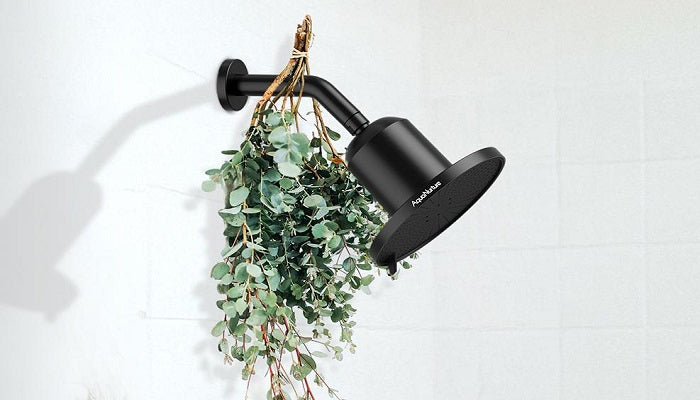
7.Our Solution: AquaNurture Filter Showerhead
When you realize the problem isn't just skincare products or shampoo, but the very water you bathe in daily, a more fundamental solution becomes clear—improving how you interact with water at its source. This is precisely why the AquaNurture Filter Showerhead exists.
Compared to whole-house water treatment systems, shower filtration offers a more direct, cost-effective approach that directly addresses skin and hair needs. Shower water interacts with your skin and hair most frequently and for the longest duration, making it the setting where water quality issues are most amplified. The AquaNurture Filtering Showerhead employs multi-stage filtration at the point of use to help reduce harmful substances that genuinely impact your shower experience and physical well-being.

7.1 Reduces Chlorine and Irritating Chemicals
While chlorine in tap water serves as a disinfectant, it can strip natural oils from skin during bathing, leading to dryness and rough hair. AquaNurture's filtration system effectively lowers chlorine levels, making water gentler and more skin-friendly while reducing post-shower tightness and irritation.
7.2 Filters Sediment, Rust, and Impurities
Targeting common pipeline contaminants like rust particles, sand, sediment, and debris, the filtered showerhead intercepts these before water contacts skin and hair. This improves water clarity and texture while minimizing residue buildup on skin and strands.
7.3 Enhances Hair and Scalp Health
With reduced mineral buildup and irritants, hair surfaces remain free from impurities, resulting in smoother, shinier, and more manageable strands post-wash. A more balanced scalp environment also helps alleviate dryness, itching, and discomfort.
7.4 Protects Skin Barrier, Elevates Bathing Experience
Cleaner, gentler water means your skin's natural barrier isn't repeatedly compromised.
AquaNurture filter showerheads install easily without complex modifications, yet deliver continuous benefits during daily showers. You don't need to change your bathing habits—just switch to better water. As your shower water becomes cleaner and gentler, you'll notice gradual improvements in your hair and skin—not sudden changes, but subtle transformations accumulated through each seemingly ordinary shower.
FAQ About What’s Hiding Inside Your Water Pipes
Q1: Isn't the water in pipes already treated?
A: Tap water is indeed treated before entering homes, but after flowing through aging or complex pipe systems, water quality can still be affected by sediment, rust, and microorganisms.
Q2: What are the most common contaminants in water pipes?
A: Common contaminants include mineral deposits (scale), rust, biofilms (bacteria and microorganisms), debris from construction or maintenance, and trace chemical residues.
Q3: Why might water appear clear yet still be problematic?
A: Many impurities and microorganisms are invisible to the naked eye but can still affect water odor, texture, and the health of skin and hair.
Q4: Are older homes more prone to plumbing issues?
A: Yes. Aging pipes are more susceptible to rust, sediment buildup, and biofilm formation, typically posing higher water quality risks.
Q5: Do these issues affect the showering experience?
A: Yes. Water containing impurities and irritants can cause dry skin, frizzy hair, scalp discomfort, and even reduced water pressure.
Q6: What are some simple solutions?
A: Installing a filtered showerhead at the shower outlet is a low-cost, no-renovation solution that delivers immediate improvements.
Leave a comment
This site is protected by hCaptcha and the hCaptcha Privacy Policy and Terms of Service apply.