
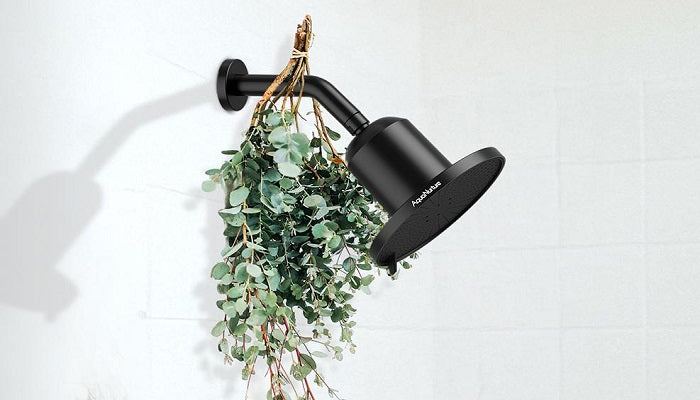
A shower filter is a purification device installed within a shower system to perform preliminary filtration of impurities and contaminants before water contact with the body. It typically consists of an outer housing and an internal filter, which may contain various filtration media such as activated carbon, KDF (high-purity copper-zinc alloy), or ceramic filter beads. These materials work together to effectively reduce chlorine, heavy metals, sediment, and certain organic pollutants in water.
Whether in a spacious walk-in shower or a compact bathroom, simply replacing the showerhead can significantly enhance the bathing experience—especially when opting for a filtered model. Unfiltered water often contains various chemicals and contaminants that may adversely affect health with prolonged exposure, making filtered showerheads a safer, healthier choice.
Hard water easily leaves soap residue on skin and hair surfaces, compromising cleansing effectiveness and potentially triggering skin sensitivity, itching, and other discomforts. Additionally, chlorine and other disinfectant chemicals in tap water strip away natural oils from skin and hair, causing dryness, roughness, and even irritation.
For these reasons, filtered showerheads—which reduce water impurities and alleviate dryness issues—are gaining attention and popularity. But a question arises: Do these products truly deliver tangible benefits?
What is a shower filter?
A shower filter is a specially designed device that removes impurities and contaminants from water before showering. They typically consist of a housing containing filter media such as activated carbon, KDF-55 media, ceramic beads, calcium sulfite, or similar materials. These filtration materials work together to capture and eliminate various substances, including chlorine, heavy metals, sediment, and organic compounds.

How does a shower filter work?
A filter showerhead is installed in the existing shower pipe or spray head location. When water flows through, it first enters the internal multi-layer filter cartridge system. These cartridges consist of filtration media with different functions, capable of treating and reducing harmful substances in the water within a short time, thereby completing purification before the water contacts the skin and hair.
During actual operation, the water flow sequentially passes through multiple filter materials. Take KDF-55 media as an example. Composed of high-purity copper-zinc alloy particles, it triggers redox reactions. Through electron exchange, KDF converts chlorine and heavy metals like lead and mercury into less reactive, less harmful substances while adsorbing and trapping these contaminants to prevent their further circulation.
Calcium sulfite primarily serves as a highly efficient chlorine removal agent. Through rapid chemical reactions, it converts free chlorine or hypochlorous acid into harmless chloride ions and sulfates. Due to its extremely fast reaction speed, it maintains stable and effective chlorine removal even in hot water environments, making it particularly suitable for shower applications.
Additionally, some filtration systems incorporate auxiliary media like activated carbon and vitamin C. Activated carbon leverages its potent adsorption capacity to capture odors, organic pollutants, and residual impurities in water. Vitamin C, meanwhile, can neutralize chlorine and chloramines almost instantly, further enhancing water's mildness.
In essence, a filter-based showerhead functions as a water purification device that connects directly to existing shower plumbing. Once installed, it effectively reduces free chlorine and impurities in water, helping alleviate issues like dry hair and tight skin for a more comfortable and reassuring bathing experience. Installation for these products is typically straightforward, requiring no complex tools.
Why is chlorine present in tap water?
Municipal water systems typically add chlorine to water to kill bacteria and other pathogens, ensuring the safety of drinking water. However, chlorine's activity in water can also affect skin and hair. During showers, chlorine evaporates with water vapor, potentially being inhaled or absorbed through the skin, which may cause dryness, irritation, or even damage to hair and skin. Additionally, water may contain other contaminants like heavy metals and sediments, which can have health implications with prolonged exposure.
For individuals with sensitive skin, eczema, or respiratory sensitivities, chlorine in shower water can be particularly uncomfortable. It strips natural oils from skin and hair, leaving hair dry and brittle while causing skin to feel tight or itchy.
Shower filters are thus becoming a popular choice for many households. By removing or significantly reducing chlorine before it contacts the skin, they create a gentler, more comfortable bathing experience while minimizing skin dryness and hair damage. Some high-performance filters also eliminate sediment and certain chemical byproducts, further enhancing water quality.

Can shower filters remove chloramines?
Chloramines are chemical compounds formed by the combination of chlorine and ammonia, commonly used for disinfecting tap water. Due to their small molecular structure, conventional filtration methods often struggle to remove them completely, posing a challenge for most traditional shower filters.
However, certain shower filters utilizing specialized media can effectively reduce chloramines in water. For instance, catalytic activated carbon possesses enhanced adsorption capabilities, efficiently capturing chloramines. KDF media neutralizes chloramines through redox reactions, rendering them inactive.
It's important to note that not all shower filters can handle chloramines. If you're concerned about chloramine's effects on your skin or respiratory system, choose filtration products explicitly labeled as chloramine-removing or consult a professional water treatment specialist to ensure you select an appropriate filtration solution.
Does a shower filter affect water pressure?
Most high-quality shower filters are designed with water pressure in mind, aiming to maintain a smooth flow while filtering water quality. They typically feature efficient filter cartridge structures and optimized water channels, allowing water to pass through easily without significant resistance. Some filters also incorporate larger-pore mesh screens or bypass valves to further minimize pressure loss.
Of course, actual water pressure can be influenced by various factors during use, including pipe conditions, water quality from the supply system, and the filter's specific design characteristics. Slight pressure drops may occur in older pipes or with filters featuring smaller pore sizes.
Overall, the impact of shower filters on water pressure is generally minimal, far outweighed by the benefits they provide in improving water quality. By selecting high-quality products and ensuring proper installation and regular maintenance, you can still enjoy a comfortable shower experience with ample water pressure and efficient filtration.
Can Shower Filters Solve Hard Water Problems?
If you're like 85% of Americans with excess calcium and magnesium in your household water. You might be excited to hear that showerhead filters can effectively improve or even resolve this issue.
While shower filters don't affect calcium and magnesium ions—and thus can't soften water—they can mitigate the effects of hard water. Chlorine and chloramines are likely the culprits behind the dry skin, hair, and nails often attributed to hard water. Showerhead filters containing KDF-55 can also help reduce scale buildup by inhibiting bacterial growth and controlling microorganisms that cause limescale.
What is our top pick for the best showerhead?
Among the multitude of showerhead water purifiers, two key factors truly determine user experience and longevity: the professionalism of the filtration media and the quality of the filter housing. Many products on the market use ordinary plastic casings, which not only lack visual appeal but are also more prone to cracking and leaking due to prolonged pressure and heat exposure, compromising safety and durability.
Based on comprehensive evaluation of filtration efficacy, structural design, and long-term performance, we recommend the AquaNurture Filter Showerhead. It effectively reduces up to 90% of chlorine and heavy metals in hard water, improving water quality while maintaining a consistent flow experience.
AquaNurture employs a scientifically validated filter formula that combines KDF-55 with Calcium Sulfite. This synergistic approach leverages redox reactions and rapid dechlorination mechanisms to deliver efficient, consistent filtration. Its high-strength housing material also excels in pressure resistance and durability—a rare feature among comparable products. The product offers multiple decorative surface finishes, providing versatile styling options for diverse bathroom aesthetics.

For maintenance, AquaNurture features a replaceable cartridge design for flexible usage. The manufacturer recommends replacing the cartridge approximately every three months, though users may adjust this based on local water quality and usage frequency to maintain filtration effectiveness while avoiding unnecessary waste. Additionally, this filter showerhead offers three water flow modes, PowerJet, RainFlow and MistSpa.
Users can freely switch between modes to find their ideal balance of water volume and flow pattern. This allows for a more comfortable and relaxing shower experience, even under limited water pressure or usage conditions.
FAQ About How Does a Filtered Shower Head Work?
1. What is the primary function of the filter in a shower filter?
The filter is the core component of a shower filter, responsible for reducing or removing chlorine, heavy metals, sediments, and certain chemical contaminants from water before it contacts skin and hair. This improves water quality, making showers gentler and more comfortable.
2. What happens as water flows through the filter?
Upon entering the showerhead, water sequentially passes through multiple filtration media. Different filter materials decompose, neutralize, or capture harmful substances in the water via adsorption, chemical reactions, or redox reactions. The purified water then exits through the spray head.
3. How does the KDF-55 work?
KDF-55 consists of a high-purity copper-zinc alloy that triggers redox reactions. Through electron exchange, it reduces chlorine activity and converts heavy metals like lead and mercury into less harmful forms for the human body, while also inhibiting bacterial growth.
4. What is the function of Calcium Sulfite in the filter?
Calcium Sulfite primarily serves to rapidly remove chlorine from water. It reacts chemically with free chlorine or hypochlorous acid, converting them into harmless chloride ions and sulfates. This process maintains high dechlorination efficiency even in hot water environments.
5. How often should the filter cartridge be replaced?
It is generally recommended to replace the filter cartridge every 2–3 months, depending on local water quality, usage frequency, and household size. For poorer water quality or more frequent use, the replacement cycle should be appropriately shortened.
6. What happens if the filter is not replaced in time?
Filters that exceed their service life will experience significantly reduced filtration effectiveness and may even restrict water flow. Therefore, regular replacement is essential to maintain optimal filtration performance and user experience.
7. Is installing the filter complicated?
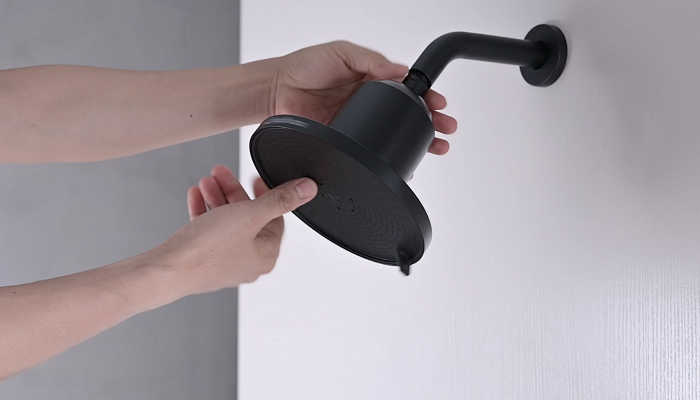
No. Most filter showerheads feature a replaceable cartridge design. Simply unscrew the housing, remove the old filter, and install the new one—no specialized tools are required.
8. Is filtered water suitable for sensitive skin and children?
Yes. Water treated by the filter cartridge has lower chlorine content and reduced irritation, making it generally more suitable for individuals with sensitive skin, children, and users concerned about hair and skin health.

Leave a comment
This site is protected by hCaptcha and the hCaptcha Privacy Policy and Terms of Service apply.